
How Can Rehabilitation and Physiotherapy Support Safer Recovery?
Article Summary: Recovery is rarely as simple as resting until the body feels better. Patients, caregivers, clinics, and distributors often need practical tools that support movement, reduce strain, improve confidence, and make daily care easier. This article explains how Rehabilitation and Physiotherapy products help bridge the gap between medical treatment and everyday independence. It also discusses common user pain points, product selection logic, safety considerations, and procurement factors for buyers looking for dependable rehabilitation support solutions from suppliers such as Baili Medical Supplies (Xiamen) Co.,Ltd.
Table of Contents
- 1. Why Does Recovery Need More Than Rest?
- 2. What Problems Do Patients Face During Daily Rehabilitation?
- 3. How Do Rehabilitation and Physiotherapy Products Help?
- 4. Which Products Are Commonly Used in Rehabilitation Support?
- 5. How Should Buyers Choose Suitable Rehabilitation Products?
- 6. What Quality Details Should Not Be Ignored?
- 7. How Can Caregivers Improve Home Recovery?
- 8. FAQ
- 9. Conclusion
Why Does Recovery Need More Than Rest?
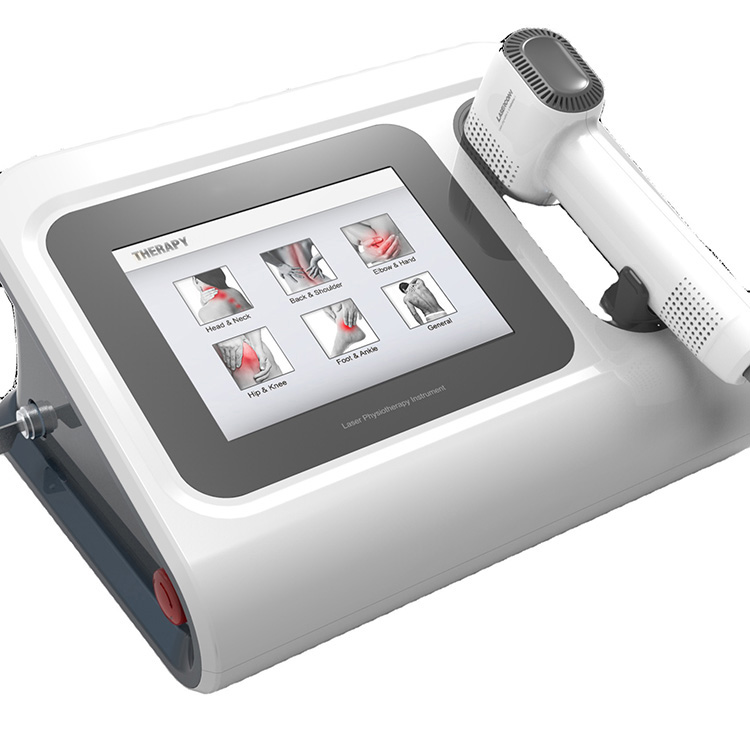
Many people think recovery begins and ends with rest. That idea sounds comfortable, but it is not always realistic. After surgery, injury, stroke, joint pain, mobility decline, or long-term physical weakness, the body often needs guided movement, stable support, and practical assistance. Without proper help, even simple actions such as standing up, walking across a room, climbing a small step, or gripping an object can become stressful.
This is where Rehabilitation and Physiotherapy becomes valuable. It is not only about exercise. It is about rebuilding safe movement patterns, reducing unnecessary pressure on injured areas, improving circulation, supporting balance, and helping users regain confidence in daily life. For elderly users, post-operative patients, people with temporary injuries, and individuals living with chronic mobility limitations, the right support products can make the recovery process less frightening and more manageable.
For clinics, hospitals, rehabilitation centers, pharmacies, distributors, and home care providers, the challenge is different but equally important. They need products that are practical, reliable, easy to use, and suitable for different patient conditions. A product may look simple from the outside, but in real care situations, details such as grip comfort, material strength, adjustability, stability, packaging, and cleaning convenience can directly affect user experience.
What Problems Do Patients Face During Daily Rehabilitation?
Recovery often feels frustrating because patients are not only dealing with pain. They are also dealing with uncertainty. A person may ask: Can I walk safely? Will I fall? Am I putting too much pressure on my knee? Is this device strong enough? Can I use it alone at home? These questions are not small. They shape whether a patient is willing to move or chooses to remain inactive.
Common rehabilitation pain points include:
- Fear of falling: Patients with weak lower limbs, poor balance, or post-surgical discomfort may hesitate to walk without support.
- Limited independence: When basic movements require assistance, users may feel embarrassed or discouraged.
- Incorrect force distribution: Without proper walking aids or braces, users may overload the injured area.
- Low comfort: Poorly designed handles, rough edges, unstable frames, or unsuitable sizing can cause secondary discomfort.
- Caregiver pressure: Family members and nurses may need tools that make lifting, moving, or supporting patients safer.
- Inconsistent home practice: Patients may forget instructions or avoid exercises when equipment feels complicated.
A good Rehabilitation and Physiotherapy product does not replace professional care, but it can make prescribed recovery routines easier to follow. It can also reduce the gap between clinical guidance and real-life use at home.
How Do Rehabilitation and Physiotherapy Products Help?
The most useful rehabilitation products usually solve one clear problem: they help the user move more safely, maintain better posture, reduce strain, or complete daily tasks with less assistance. Their value is practical rather than decorative. A walking aid, for example, is not just a stick or frame. It becomes a source of balance, rhythm, and psychological security.
In rehabilitation settings, products may support several goals:
- Mobility recovery: Canes, walkers, wheelchairs, and crutches help users move with controlled support.
- Joint and muscle protection: Braces, supports, and orthopedic aids help stabilize vulnerable areas.
- Physical therapy assistance: Physiotherapy tools may support exercise, heat therapy, cold therapy, or local care routines.
- Daily living support: Home care aids make bathing, sitting, standing, and transferring safer.
- Care efficiency: Suitable products help caregivers reduce physical burden and improve care consistency.
For business buyers, the purpose is not only to purchase individual items. The stronger goal is to build a product range that can serve different recovery stages. Early recovery may require more support and stability. Later recovery may focus more on training strength, balance, and independent movement. This is why a complete Rehabilitation and Physiotherapy product category is useful for hospitals, distributors, and care supply channels.
Practical note: Rehabilitation products should be selected according to the user’s physical condition, professional guidance, and intended care environment. A product that works well in a clinic may need different features for home use, especially when the patient lives alone or has limited caregiver support.
Which Products Are Commonly Used in Rehabilitation Support?
Different users need different levels of support. Some patients only need temporary assistance after a minor injury, while others need long-term mobility equipment. The following table gives a practical overview of common product types and how they help solve real recovery problems.
| Product Type | Main User Need | Practical Value | Selection Focus |
|---|---|---|---|
| Rehabilitation crutches | Temporary walking support after injury or surgery | Helps reduce weight pressure on one leg and improves walking confidence | Height adjustment, handle comfort, anti-slip tips, frame strength |
| Walking canes | Light to moderate balance assistance | Supports elderly users or patients with mild instability during daily walking | Grip design, base stability, weight, suitable height |
| Walkers | Higher stability during standing and walking | Provides broader support for users with weak lower limbs or poor balance | Frame durability, foldability, wheel design, brake control |
| Wheelchairs | Mobility support for users who cannot walk safely for long distances | Improves movement range and reduces caregiver lifting burden | Seat width, wheel quality, braking system, folding convenience |
| Orthopedic supports | Joint stabilization and posture correction | Helps protect knees, ankles, wrists, waist, or other vulnerable areas | Material comfort, support level, breathability, sizing |
| Physiotherapy care items | Local therapy support and home recovery assistance | Supports routine care for pain relief, muscle relaxation, or exercise preparation | Ease of use, safe material, clear instructions, storage convenience |
Baili Medical Supplies (Xiamen) Co.,Ltd. offers rehabilitation-related products designed for medical supply channels, care facilities, and distributors seeking practical solutions. When buyers evaluate Rehabilitation and Physiotherapy products, a broad product range can be helpful because patients rarely need only one item throughout the entire recovery journey.
How Should Buyers Choose Suitable Rehabilitation Products?
Choosing rehabilitation products should never be based only on appearance or price. A low-cost product that feels unstable, wears out quickly, or creates discomfort can damage user trust. Buyers should think from the perspective of patients, caregivers, and procurement teams at the same time.
Important selection points include:
- User condition: Is the product for elderly users, post-operative recovery, injury support, long-term disability, or temporary care?
- Use environment: Will it be used in hospitals, rehabilitation centers, nursing homes, pharmacies, or private homes?
- Support level: Does the user need light balance help, partial weight support, or full mobility assistance?
- Comfort details: Are the handles, straps, seats, or contact surfaces comfortable for repeated use?
- Cleaning and maintenance: Can the product be cleaned easily in high-use environments?
- Packaging and supply stability: Can the supplier support repeat orders, clear labeling, and export requirements?
For distributors, product consistency matters. A hospital or care center does not want to reorder a product and receive a noticeably different design or quality level the next time. Reliable supply helps maintain trust between distributors and end users. This is especially important in the Rehabilitation and Physiotherapy category, where users depend on products for safety and daily movement.
What Quality Details Should Not Be Ignored?
Some rehabilitation products appear simple, but small details can decide whether users keep using them. A cane with a poor handle may cause wrist discomfort. A wheelchair with weak brakes may create safety risks. A brace with rough seams may irritate the skin. These details are easy to overlook during procurement but difficult to ignore after products reach patients.
Quality checks should focus on:
- Material strength: Frames, joints, and load-bearing parts should match the intended use.
- Anti-slip performance: Rubber tips, foot pads, and contact points should provide stable ground contact.
- Adjustability: Height or size adjustment helps fit different users more accurately.
- Ergonomic design: Handles, seats, straps, and support areas should reduce unnecessary pressure.
- Surface finishing: Smooth edges and clean finishing improve comfort and reduce accidental scratches.
- Instruction clarity: Users and caregivers need simple guidance for safe use.
- Packaging protection: Proper packaging helps prevent damage during storage and transportation.
Buyers should also consider whether the product is easy to demonstrate. In retail pharmacies or care supply stores, customers may need quick explanations. Products with intuitive structure and clear usage logic are easier for staff to recommend and easier for patients to accept.
How Can Caregivers Improve Home Recovery?
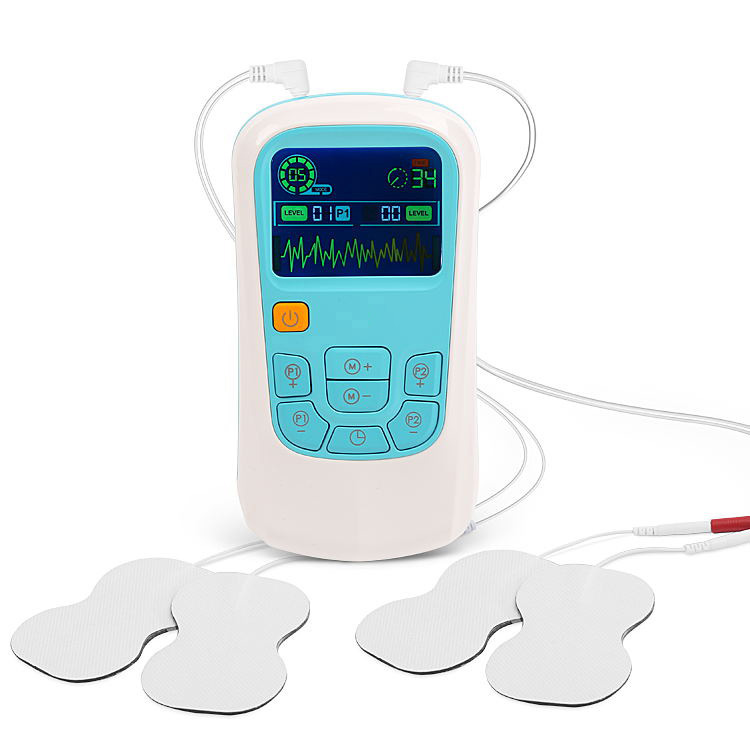
Home recovery can be more challenging than clinical rehabilitation because professional supervision is limited. Patients may become impatient, caregivers may feel tired, and recovery routines may become inconsistent. The right products can help create a safer home environment, but caregivers also need simple habits that reduce risk.
Useful home care practices include:
- Keep walking paths clear of loose rugs, cables, and slippery objects.
- Check rubber tips, brakes, screws, and adjustment locks regularly.
- Encourage slow, controlled movement instead of sudden forceful activity.
- Place frequently used items within easy reach to reduce unnecessary bending or stretching.
- Follow professional instructions for exercise frequency and intensity.
- Stop using damaged products immediately and replace worn parts when needed.
A strong Rehabilitation and Physiotherapy routine is not about pushing the body harshly. It is about repeating safe actions with enough consistency to rebuild function. For many users, confidence returns gradually. A stable walking aid, a comfortable support brace, or a practical physiotherapy item may seem ordinary, but it can help a patient take the next step with less fear.
FAQ
Q1: How do I know which rehabilitation product is suitable for a patient?
The best choice depends on the patient’s condition, balance ability, strength level, recovery stage, and professional advice. For example, a user with mild instability may only need a cane, while someone with weaker lower limbs may need a walker or wheelchair. Buyers should match the product to the real care scenario instead of choosing only by category name.
Q2: Are Rehabilitation and Physiotherapy products only for elderly users?
No. Although elderly users often need mobility support, these products are also used by post-surgical patients, injured workers, athletes in recovery, people with neurological conditions, and individuals who need temporary or long-term physical assistance.
Q3: What should distributors pay attention to when purchasing rehabilitation products?
Distributors should consider product range, stable quality, practical design, packaging, export support, repeat supply capacity, and whether the products solve real user problems. A dependable supplier should make procurement smoother and help reduce after-sales complaints.
Q4: Can rehabilitation products replace professional physiotherapy?
No. These products are supportive tools. They can help users follow care routines more safely and comfortably, but professional diagnosis, treatment planning, and exercise guidance should come from qualified medical or rehabilitation professionals.
Q5: Why is comfort important in rehabilitation equipment?
Recovery often requires repeated use. If a product causes hand pressure, skin irritation, poor posture, or movement anxiety, users may stop using it. Comfortable design improves cooperation, especially for elderly users and patients who need long-term support.
Q6: What makes Baili Medical Supplies (Xiamen) Co.,Ltd. relevant for rehabilitation supply needs?
Baili Medical Supplies (Xiamen) Co.,Ltd. is connected with medical supply categories that include rehabilitation and physiotherapy-related products. For buyers looking for practical care support items, working with a supplier that understands medical consumables, rehabilitation equipment, and care product demand can simplify sourcing and product selection.
Conclusion
Recovery is personal, but the problems patients face are often shared: fear of falling, limited strength, reduced independence, caregiver pressure, and uncertainty about safe movement. This is why Rehabilitation and Physiotherapy products play such an important role in hospitals, clinics, nursing homes, pharmacies, rehabilitation centers, and home care environments.
The right product does more than support the body. It supports confidence. It helps patients move with greater stability, helps caregivers work with less strain, and helps buyers provide practical solutions that meet daily care needs. From walking aids and wheelchairs to orthopedic supports and physiotherapy care items, every detail should serve one goal: making recovery safer, easier, and more dignified.
Ready to Source Practical Rehabilitation and Physiotherapy Products?
If you are looking for reliable rehabilitation support products for hospitals, clinics, care centers, pharmacies, or distribution channels, Baili Medical Supplies (Xiamen) Co.,Ltd. can help you explore suitable product options for your market. For product details, customization needs, bulk purchasing, or supplier cooperation, please contact us today and let our team help you build a more practical rehabilitation product solution.
Send Inquiry




X
We use cookies to offer you a better browsing experience, analyze site traffic and personalize content. By using this site, you agree to our use of cookies.
Privacy Policy