
Why Does the Right First Aid Equipment Matter More Than Most People Realize?
Summary
Many buyers do not realize how much the quality, completeness, and practicality of First Aid Equipment affect real emergency outcomes until a critical moment happens. In workplaces, schools, vehicles, public spaces, and even at home, poorly selected supplies can slow response time, create confusion, or fail when people need them most. In this article, I explain how to evaluate First Aid Equipment in a practical way, what mistakes buyers often make, what should be included for different scenarios, and how a dependable supplier such as Baili Medical Supplies (Xiamen) Co.,Ltd. can help businesses and institutions build safer, more reliable emergency preparedness plans.
Table of Contents
- What Will This Article Cover?
- Why Is First Aid Equipment More Than a Box on a Shelf?
- What Problems Do Buyers Usually Face When Choosing First Aid Equipment?
- Which First Aid Equipment Should Be Chosen for Different Settings?
- Why Does Product Quality Make Such a Big Difference in Emergencies?
- What Should a Practical First Aid Equipment Checklist Include?
- How Can the Right Supplier Make Purchasing Easier and Safer?
- What Questions Do Buyers Ask Most Often About First Aid Equipment?
- Why Is Now the Right Time to Upgrade Your First Aid Equipment?
Outline
- I explain why emergency supplies should be treated as working tools, not decorative compliance items.
- I break down the common buying mistakes that lead to incomplete, inconvenient, or low-value purchasing decisions.
- I compare the needs of homes, schools, vehicles, clinics, factories, and public environments.
- I provide a practical table and checklist to help buyers evaluate First Aid Equipment more clearly.
- I answer the questions that purchasing teams, distributors, and end users ask most often before placing an order.
Why Is First Aid Equipment More Than a Box on a Shelf?
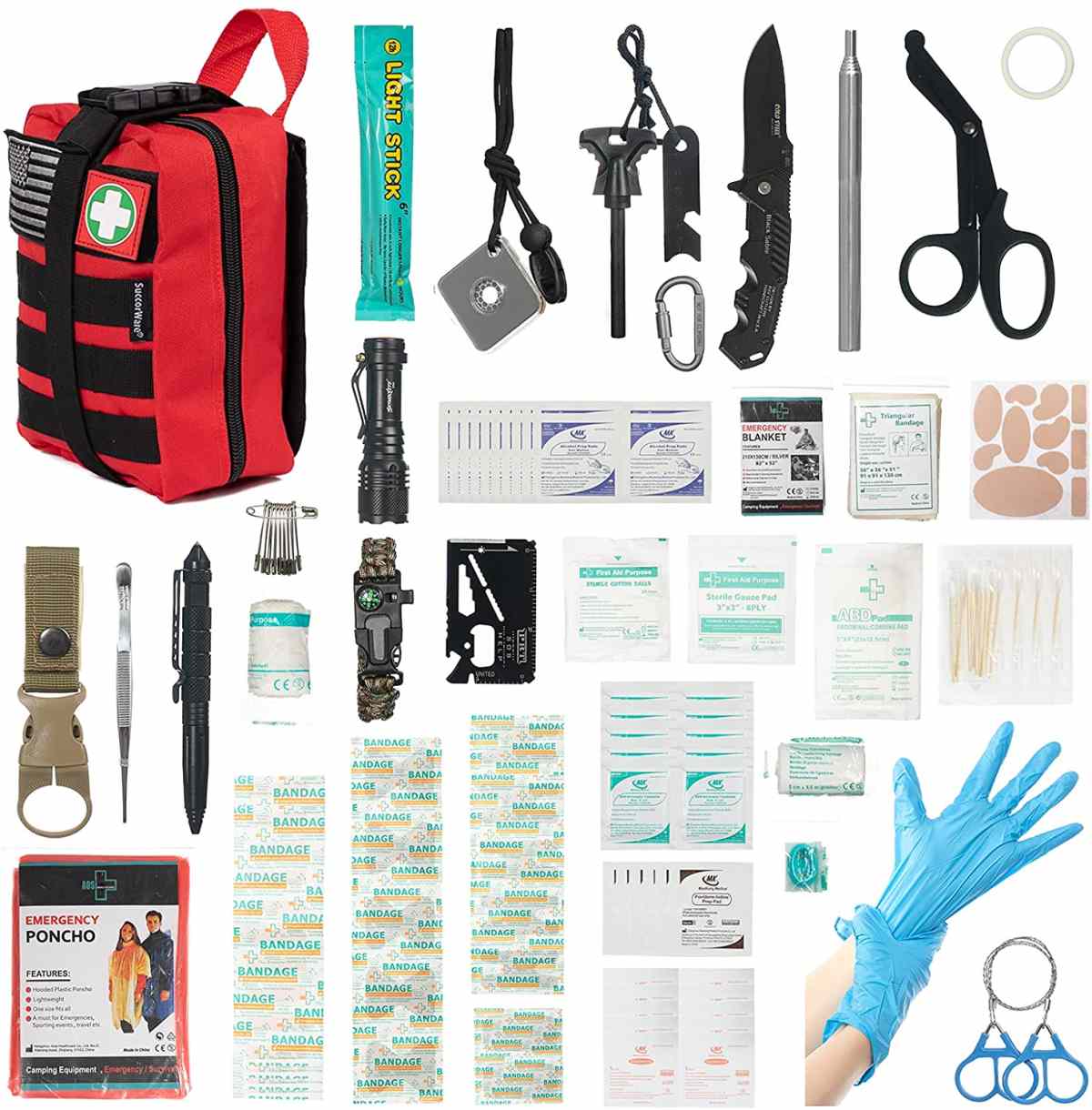
I think this is where many purchasing decisions go wrong. People often treat First Aid Equipment as something they buy once, place in a cabinet, and forget. That approach may satisfy a checklist, but it does not solve the real problem. In an actual emergency, speed matters, access matters, visibility matters, and product usability matters. If scissors are weak, dressings are missing, storage is disorganized, or the kit is not adapted to the setting, those small flaws can become serious barriers.
The right equipment shortens response time and reduces hesitation. It also gives non-professionals a better chance of helping correctly before trained responders arrive. That is why businesses, schools, industrial sites, and institutional buyers are paying more attention not only to quantity, but also to kit structure, component quality, portability, replenishment, and scenario fit.
When I look at the current market, one thing becomes clear: buyers are no longer simply asking for a generic kit. They want First Aid Equipment that is organized, durable, easy to carry, and suitable for the actual risks present in the environment.
What Problems Do Buyers Usually Face When Choosing First Aid Equipment?
Most buyers are not struggling because they do not care. They are struggling because the market often makes different products look similar when they are not. Two kits may appear alike in pictures, but once opened, the differences in material quality, component usefulness, and packing logic become obvious.
These are the pain points I see most often:
- Unclear product configuration — Buyers cannot easily tell what is included and whether the contents are truly practical.
- Mismatch between kit and usage scene — A home kit may be sold for vehicle use, or a light-duty kit may be pushed for industrial environments.
- Weak material quality — Bags tear, closures fail, bandages are flimsy, and accessories do not hold up.
- Poor internal organization — In emergencies, people lose time digging through mixed items.
- Difficult replenishment — After one use or after expiration, buyers struggle to restock efficiently.
- Inconsistent supplier support — Some sellers offer little guidance on customization, compliance, packaging, or long-term supply.
In other words, the issue is rarely just price. The deeper issue is whether the equipment can support calm and effective action when people are under pressure.
Which First Aid Equipment Should Be Chosen for Different Settings?
I never recommend choosing First Aid Equipment in a vacuum. A school, a car, a construction site, a laboratory, and a household do not face identical risks. The better approach is to start with the use scenario and work backward from likely incidents, user skill level, storage conditions, and transport needs.
| Use Setting | Typical Risks | Recommended First Aid Equipment Features |
|---|---|---|
| Home | Minor cuts, burns, household accidents, falls | Compact storage, clear labeling, adhesive bandages, gauze, antiseptic wipes, burn care items, gloves |
| Vehicle | Roadside injuries, outdoor exposure, mobility needs | Portable bag, durable case, reflective design, emergency blanket, triangular bandage, basic trauma supplies |
| School | Sports injuries, scrapes, minor bleeding, crowd response needs | Organized compartments, easy-to-identify items, child-friendly usability, multiple bandage types, cold pack options |
| Office | Minor cuts, dizziness, slips, low-frequency incidents | Neat wall-mount or cabinet style, quick access layout, refill-friendly contents, clean presentation |
| Factory or Workshop | Cuts, abrasions, crush injuries, burns, urgent stabilization needs | Higher-capacity kits, stronger bag materials, trauma-focused components, high-visibility storage, rugged structure |
| Public Facility | Mixed user needs, unpredictable incidents, crowd accessibility | Clear instructions, intuitive arrangement, tamper-evident packaging, easy maintenance and refill tracking |
This is exactly why a one-size-fits-all offer rarely works well. A thoughtful supplier should help buyers match the kit to the environment rather than simply pushing the biggest or cheapest option.
Why Does Product Quality Make Such a Big Difference in Emergencies?
Quality matters because emergencies are unforgiving. Nobody notices a zipper until it jams. Nobody thinks about the strength of tape until it fails to hold. Nobody cares about bag stitching until the kit is carried outdoors, dropped, or repeatedly moved between locations. In a normal moment, low-grade products may look acceptable. Under pressure, they reveal their weaknesses immediately.
I also believe quality is about confidence. When employees, caregivers, drivers, or responders open a kit, they should not need to wonder whether the contents are reliable. They should be able to focus on the person in front of them. That is one reason many buyers now prefer working with manufacturers that can offer better consistency in both consumables and durable packaging.
Baili Medical Supplies (Xiamen) Co.,Ltd. is a name buyers may recognize when looking for a broad range of medical and emergency care products. For professional purchasing teams, the value of a capable supplier is not limited to item availability. It also includes product organization, customization options, stable supply support, and the ability to align equipment with the real application environment.
What Should a Practical First Aid Equipment Checklist Include?
I prefer a checklist that goes beyond item counting. A useful evaluation should consider contents, packaging, durability, replenishment, and ease of use. Here is a practical way to assess First Aid Equipment before buying:
- Are the contents relevant? The kit should match the risks of the intended environment.
- Is the layout intuitive? Items should be easy to locate without emptying the entire bag.
- Is the bag or case durable? Material, zipper, handles, and stitching should support repeated use.
- Is restocking manageable? Refill planning should be simple rather than frustrating.
- Is the size practical? It should be large enough to be useful but not so bulky that nobody carries it.
- Are instructions or labeling clear? This is especially important for public, educational, or mixed-user settings.
- Can the kit be customized? Buyers often need logo, configuration, color, packing, or scenario-specific adjustments.
To make evaluation easier, I often break the buying process into four questions: what risk am I preparing for, who will use the kit, where will it be stored, and how often will it need to be checked or replenished? Those four questions usually lead to a better decision than comparing price alone.
| Evaluation Point | What to Look For | Why It Matters |
|---|---|---|
| Contents | Balanced mix of dressings, support items, protective items, and emergency essentials | Ensures the kit is actually usable rather than just full |
| Packaging | Portable, visible, structured, easy to open | Saves time during urgent situations |
| Durability | Strong fabric, secure stitching, reliable closures | Reduces replacement risk and supports transportation |
| Maintenance | Refill-friendly design and organized inventory logic | Makes long-term management easier for buyers |
How Can the Right Supplier Make Purchasing Easier and Safer?
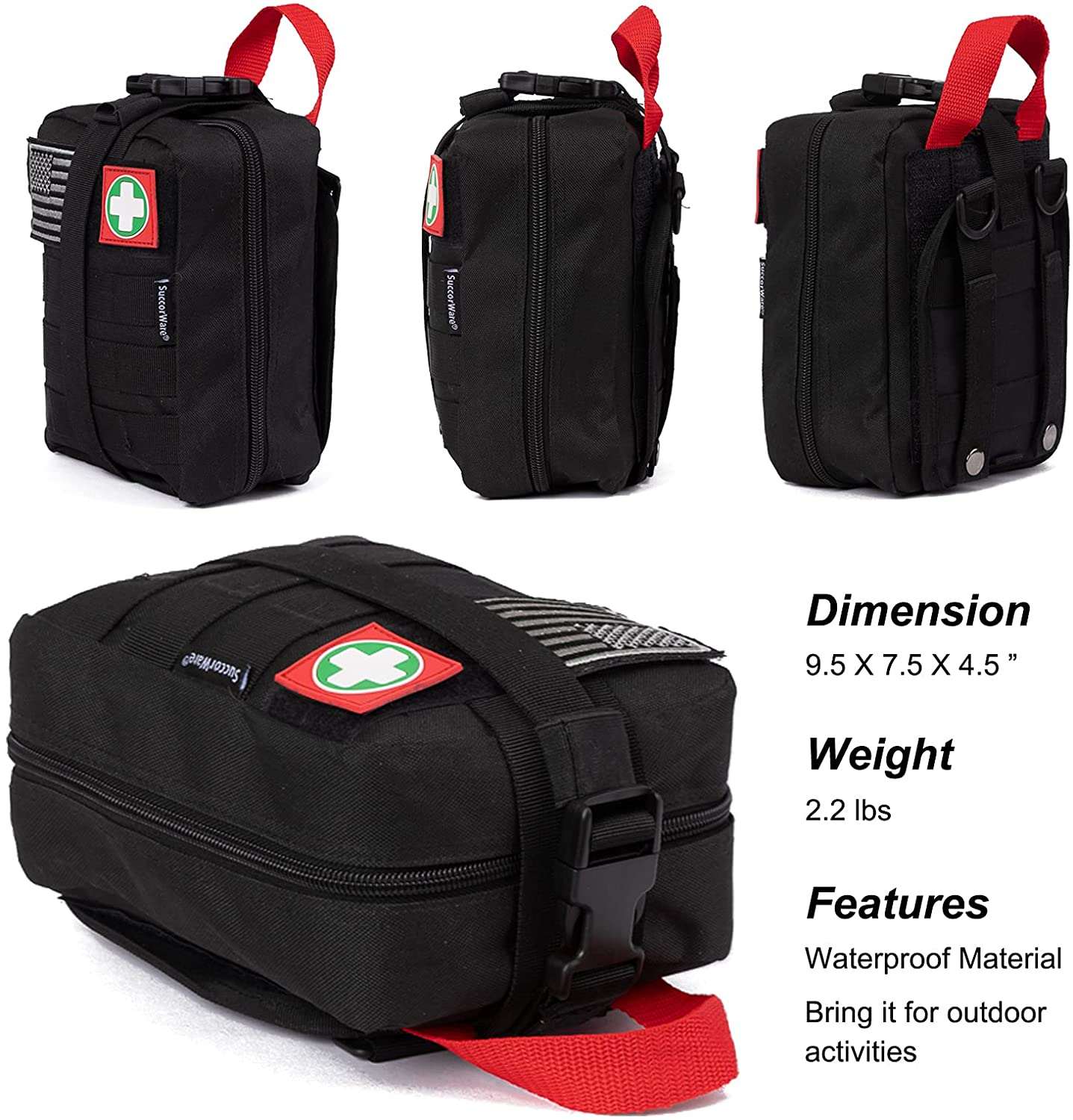
A good supplier does more than ship products. I think that is one of the biggest differences between transactional selling and long-term procurement support. Buyers often need help with product selection, content optimization, private labeling, packing presentation, and order consistency. That is especially true for importers, distributors, institutions, and branded retail programs.
When evaluating a supplier, I would pay attention to these points:
- Product range breadth — Can the supplier support different first aid categories instead of a single narrow item line?
- Customization capability — Can the kit contents and packaging be adapted to your market or usage scenario?
- Quality consistency — Are repeat orders likely to remain stable in structure and finish?
- Communication efficiency — Can the supplier respond clearly on specifications, lead times, and packing requirements?
- Practical product understanding — Do they understand how the equipment will be used in real life?
This is where working with an experienced manufacturer or supply partner becomes valuable. Baili Medical Supplies (Xiamen) Co.,Ltd. can be relevant for buyers who want more than a generic catalog purchase and need a supplier that understands product variety, emergency care applications, and flexible purchasing needs.
What Questions Do Buyers Ask Most Often About First Aid Equipment?
What is the biggest mistake people make when buying First Aid Equipment?
The most common mistake is buying by appearance or price alone. A neat-looking bag does not guarantee useful contents, strong materials, or fast access during emergencies.
Which First Aid Equipment is best for commercial or workplace use?
The best choice depends on the environment. Offices may need organized general-use kits, while workshops and industrial settings may require more robust, higher-capacity, and more trauma-focused configurations.
How often should First Aid Equipment be checked?
It should be checked regularly for missing items, expired components, damaged packaging, and restocking needs. A kit only helps when it is complete and ready.
Can First Aid Equipment be customized for different markets or private labels?
Yes. Many buyers need customized packing, branding, contents, and quantity structures. That is why supplier flexibility is important during procurement.
Why do institutions and distributors prefer reliable suppliers instead of random low-cost offers?
Because consistency matters. Stable quality, dependable communication, and practical configuration support help reduce risk and improve long-term purchasing efficiency.
Why Is Now the Right Time to Upgrade Your First Aid Equipment?
I see First Aid Equipment as one of those product categories where the value is easy to underestimate until the moment it becomes essential. The right kit supports faster response, clearer action, better organization, and greater confidence in high-stress situations. The wrong kit does the opposite. It wastes time, creates uncertainty, and leaves buyers with supplies that look acceptable but perform poorly where it matters.
If you are reviewing emergency preparedness for your business, distribution program, facility, or retail line, this is a smart time to look beyond generic options and focus on usability, durability, and application fit. A trusted partner such as Baili Medical Supplies (Xiamen) Co.,Ltd. can help you choose more suitable First Aid Equipment for real-world needs instead of relying on guesswork.
If you are looking for dependable First Aid Equipment with practical configurations, flexible supply options, and professional product support, now is the time to review your requirements and move forward with a better solution. Contact us to discuss your project, sourcing needs, or customized first aid product plan.
Previous:No News
Send Inquiry




X
We use cookies to offer you a better browsing experience, analyze site traffic and personalize content. By using this site, you agree to our use of cookies.
Privacy Policy